
Selecting linens becomes much easier when the event’s key design decisions are organized before individual fabrics enter the conversation. Without that foundation, planners may find themselves comparing colors, patterns, and textures without knowing how those choices will work with the venue, tabletop, florals, or floor plan.
A linen design brief brings those details together. It does not need to be an elaborate document. A useful brief simply records what is already known about the event, identifies the surfaces that need linens, establishes the visual direction, and highlights the decisions that still need to be made.
For event planners, this creates a clearer starting point for event linen design and makes it easier to evaluate each textile as part of the complete event rather than as an isolated choice.
Start With the Event Details That Affect Linen Selection
Before choosing a color, pattern, or texture, document the basic event details that will shape the linen plan. These details establish the scale and setting of the event and help narrow the selections that will actually work.
The goal is not to include every logistical detail from the master event plan. Focus on information that directly affects the tables and textile design.
Record the Event Type and Overall Format
Begin with the type of event and how guests will experience it.
A seated wedding reception has different table requirements from a corporate cocktail reception. A gala may combine formal dining tables with bars, registration areas, auction displays, and other specialty surfaces. An event with both cocktails and dinner may require several table types that need to feel connected without using the same treatment everywhere.
Recording the format early gives the linen plan context. It also helps distinguish the primary dining areas from secondary surfaces that may require a simpler treatment.
Confirm the Venue and Event Setting
Include the venue and note whether the event will take place indoors, outdoors, under a tent, or across several connected spaces.
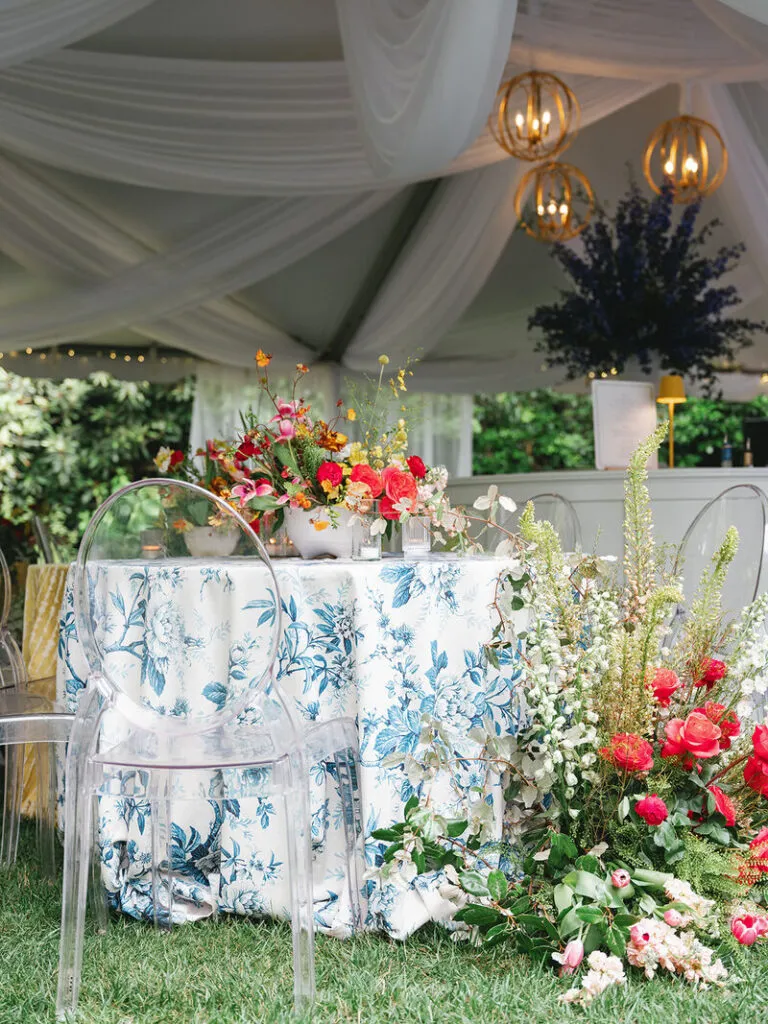
The physical setting can influence the visual direction. A ballroom with prominent carpeting, wall treatments, or chandeliers already has strong design elements in the room. A tent provides a different backdrop, while an outdoor venue may introduce landscape colors and natural surroundings into the overall palette.
Planners do not need to design around every venue detail, but the most visible elements should be considered before linens are selected.
Include the Expected Guest and Table Counts
Add the estimated guest count along with the approximate number of tables.
These numbers do not need to be final when the brief is first created. They provide a practical sense of scale and help planners determine whether a textile will appear on a handful of focal tables or across a much larger portion of the room.
Mark preliminary quantities clearly so they can be updated as the guest list and floor plan develop.
Document the Tables That Need Linens
Guest dining tables may be the largest part of the linen order, but they are rarely the only surfaces that need attention. A strong brief accounts for the complete event so important areas are not added as an afterthought.
Creating a simple table inventory also makes later linen decisions easier to organize.
List the Table Shapes and Sizes
Record the shape and dimensions of each table type that will require a linen.
Round, rectangular, square, and specialty tables may need different sizes or treatments. Even within the same event, several versions of a similar table can be used.
Accurate dimensions help ensure that the selected linen will create the intended drop and overall presentation rather than relying on assumptions based solely on the table’s general description. For definitions of terms such as base linen, drop, drape, overlay, and custom size, keep the event linen terminology and sizing guide close at hand.
Separate Guest Tables From Other Event Tables
Create clear categories for the different surfaces included in the event.
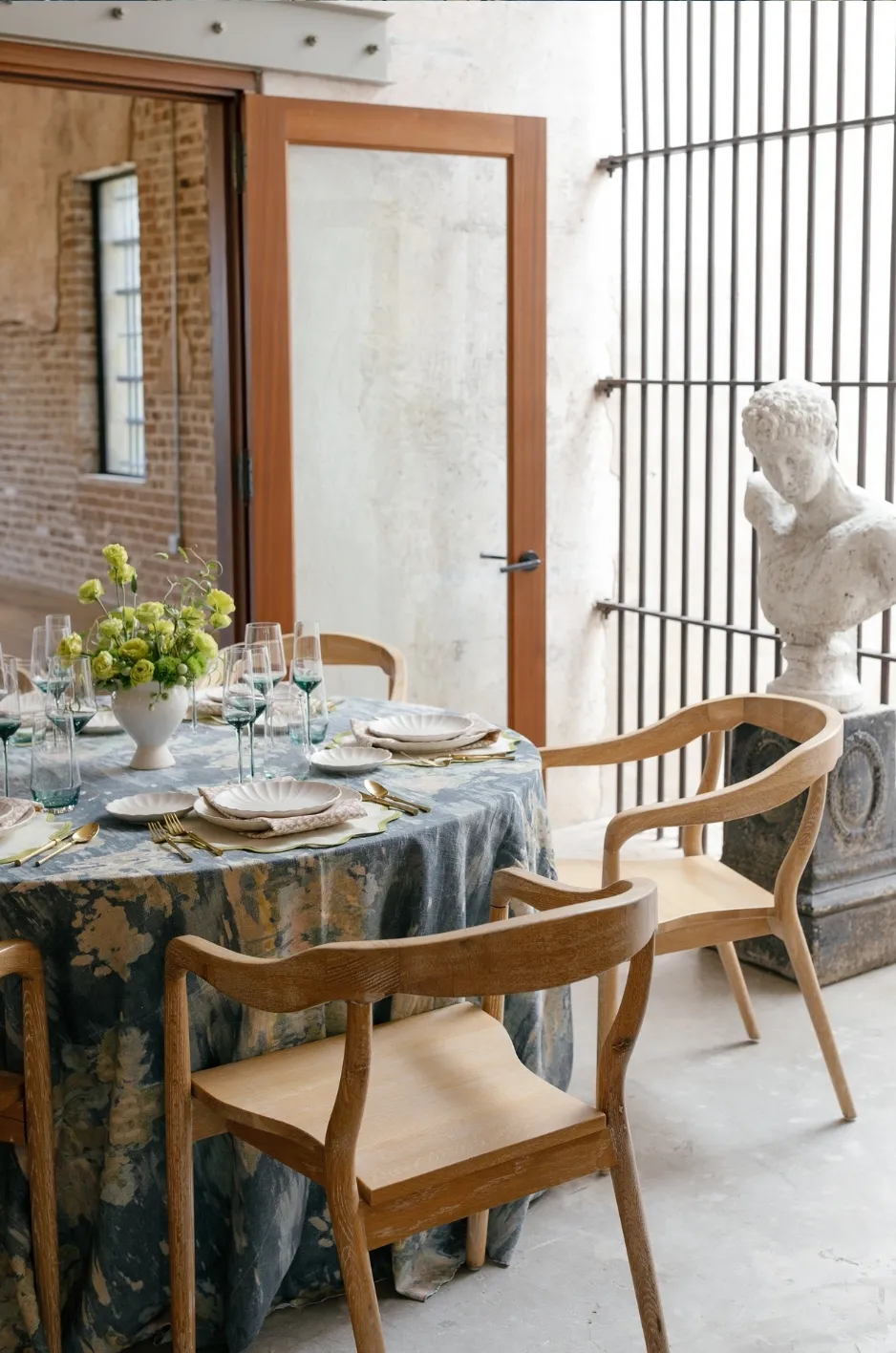
In addition to guest tables, the plan may include cocktail tables, cake or dessert tables, registration tables, bars, welcome areas, or other specialty surfaces. These areas do not automatically need the same textile treatment as the dining tables.
Separating them within the brief allows planners to consider where consistency is important and where a different linen treatment may serve the design better.
Note Which Tables Still Depend on the Final Floor Plan
Some table quantities will remain uncertain until seating and production plans are closer to completion.
Rather than waiting for every detail to be finalized, include those tables in the brief and mark the quantities or placements as pending. This keeps them visible in the design process without presenting preliminary information as final.
As the floor plan changes, the brief can be updated accordingly.
Define the Event’s Visual Direction
Once the practical details are established, the brief should explain what the event is intended to look and feel like. You may also find What Event Planners Look for When Selecting Linen Rentals helpful.
This does not require pages of inspiration. A few clear design cues are often more useful than a large collection of images representing several different styles.
Establish the Main Color Palette
Record the primary colors already selected for the event and identify any accent tones that may appear throughout the design.
If the palette is still developing, distinguish confirmed colors from possibilities. This makes it easier to evaluate linen options without treating every color under consideration as an equal part of the final scheme.
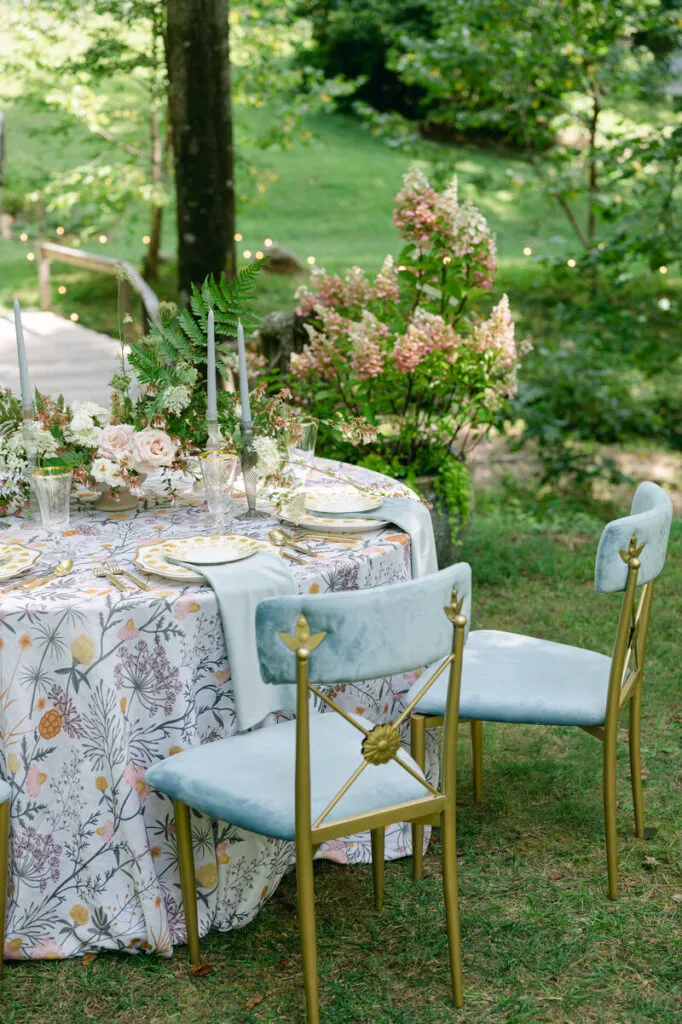
Also consider where those colors are already appearing. If a particular tone is prominent in the florals or venue, the linens may either reinforce it or provide balance with a complementary treatment.
Describe the Desired Overall Feel
Add a few words that clearly describe the intended atmosphere.
Terms such as refined, romantic, modern, understated, dramatic, textural, or tailored give more useful direction than simply requesting something “luxurious.”
The description should be specific enough to guide selection without becoming overly restrictive. A planner seeking an understated, architectural dinner may evaluate patterns and texture differently from one designing a layered, expressive celebration.
Add a Small Set of Relevant Visual References
Include a focused group of inspiration images, material samples, or color references that reinforce the direction described in the brief.
Choose examples because they communicate something useful, such as a color relationship, level of pattern, texture, or overall mood. Avoid adding images simply because they are attractive.
Too many unrelated references can make the intended direction harder to understand. A smaller group with a clear visual connection provides stronger guidance.
Show What Has Already Been Selected
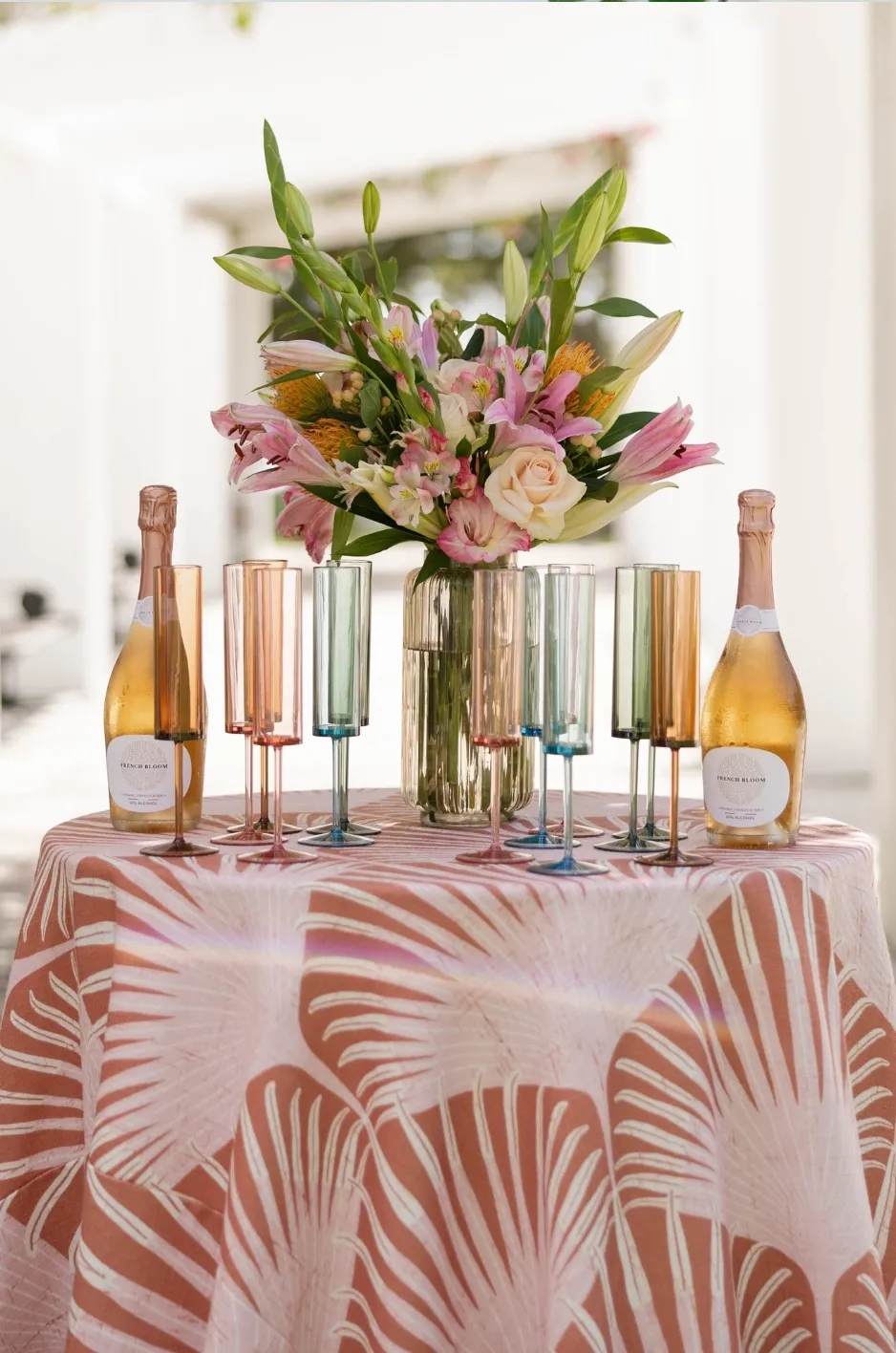
Linens should work with the design elements that are already established.
Including confirmed tabletop, floral, and décor selections in the brief gives the linen plan a real design context. It also reduces the risk of choosing a textile in isolation and later discovering that it competes with another prominent element.
Include Confirmed Tabletop Elements
Record selections for china, chargers, flatware, glassware, or other tabletop pieces that will appear directly against the linen.
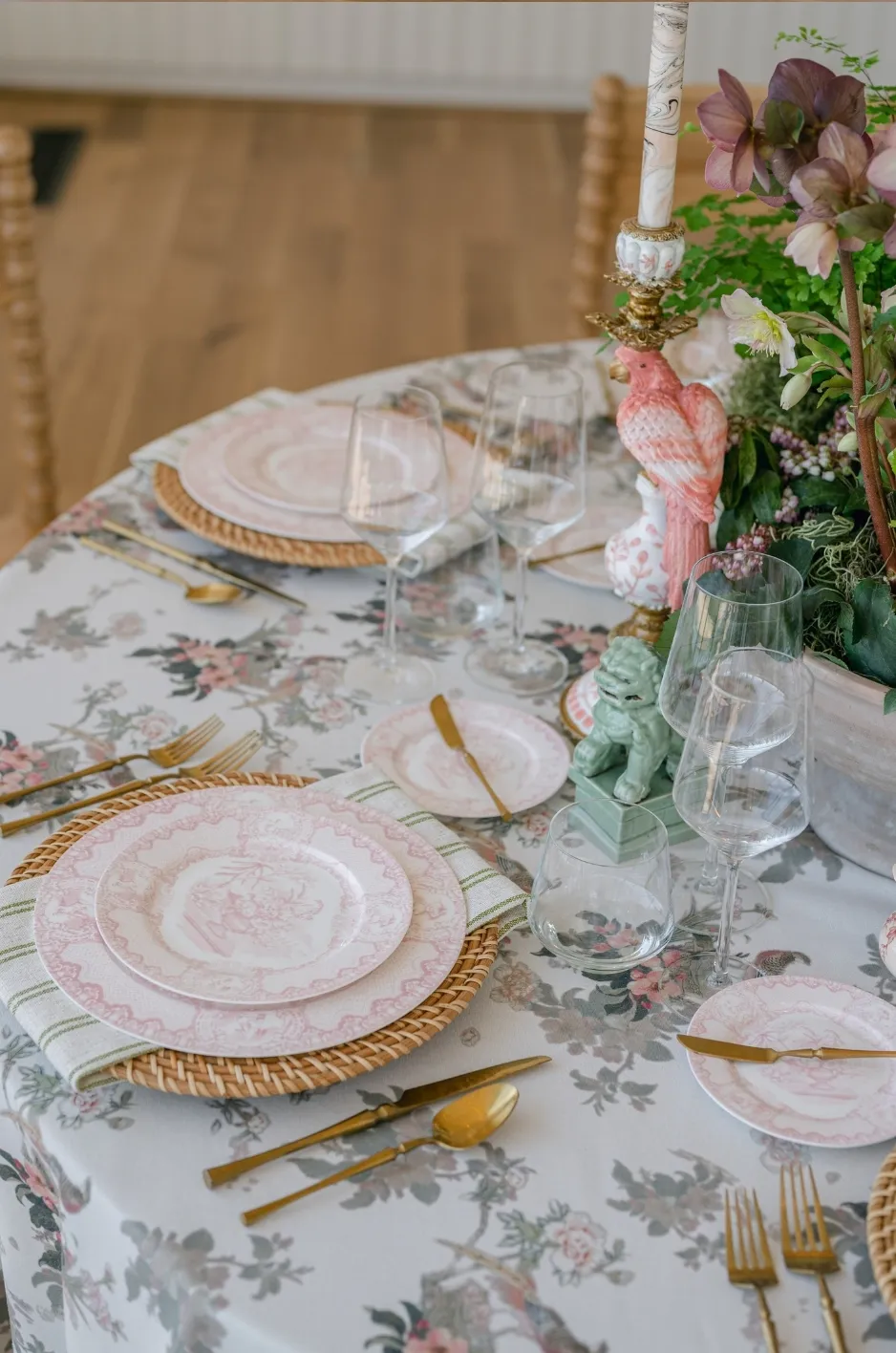
Note the colors, finishes, and any prominent decorative details. A patterned plate, metallic charger, or distinctive glassware selection can influence how much pattern or texture the linen needs to introduce.
The objective is not necessarily to match these elements. It is to make sure they work together once placed on the same table. Also confirm the full tabletop package early; coordinating event linens with tabletop rentals helps identify where materials and finishes need to work together.
Add Floral and Centerpiece Direction
Include the general floral direction when it has been established.
Dominant colors, centerpiece scale, vessel finishes, and overall arrangement style can all affect linen selection. A table with a large, colorful floral installation may benefit from a different textile approach than a table with restrained arrangements and minimal tabletop décor.
Understanding the centerpiece early helps planners judge how much visual activity the linen should contribute. We cover this further in Event Linen Rentals for Professional Planners: A Guide.
Note Important Venue or Décor Colors
Record prominent colors and finishes elsewhere in the event environment.
This may include carpeting, walls, draping, lounge furniture, lighting treatments, or other large design elements that will remain visible around the tables.
Not every element needs to coordinate perfectly. The goal is simply to prevent accidental clashes and ensure that the linen palette feels appropriate within the complete room.
Clarify the Role Linens Should Play in the Design
One of the most useful things a planner can add to a brief is a clear explanation of what the linens are expected to accomplish. For more detail, see our article The Wedding Planner’s Checklist for Linen Rental Logistics.
At some events, the textile is a major design feature. At others, the linen needs to provide a refined foundation for florals, tabletop pieces, or another dominant element.
Defining that role prevents every table from being approached with the same level of visual intensity. Read more in Bespoke Timing: The Art of Linen Delivery Orchestration.
Decide Where Linens Should Make the Strongest Impression
Identify any tables or event areas where the textile should have greater visual presence.
A patterned linen, specialty overlay, distinctive runner, or custom textile may make sense where the surface plays an important role in the overall design. Other tables may need a quieter treatment. If the brief requires original artwork or a nonstandard size, continue with from concept to custom linen: a planner’s guide.
Making these distinctions within the brief helps planners distribute visual interest intentionally rather than assuming every surface should receive an equally expressive linen. Read more in Summer Linen Setup Checklist for Event Planners.
Identify Areas That Need a Quieter Treatment
Some tables already contain several strong design elements.
If the florals, tabletop pieces, or surrounding décor carry significant color or pattern, a more restrained linen may give those elements enough room to stand out. A quieter textile does not make the table less considered; it can provide the balance the design needs.
Note these supporting areas in the brief so linen selections can be evaluated according to their purpose.
Specify Where Variety Is Appropriate
If the event will use more than one linen treatment, indicate where that variation is expected.
Different table types may require different levels of emphasis, or a planner may want to introduce related textile combinations across the room. The brief does not need to resolve every combination immediately, but it should make clear where variation is intentional.
This gives the linen partner a better understanding of how individual selections need to relate to one another.
Separate Confirmed Decisions From Open Questions
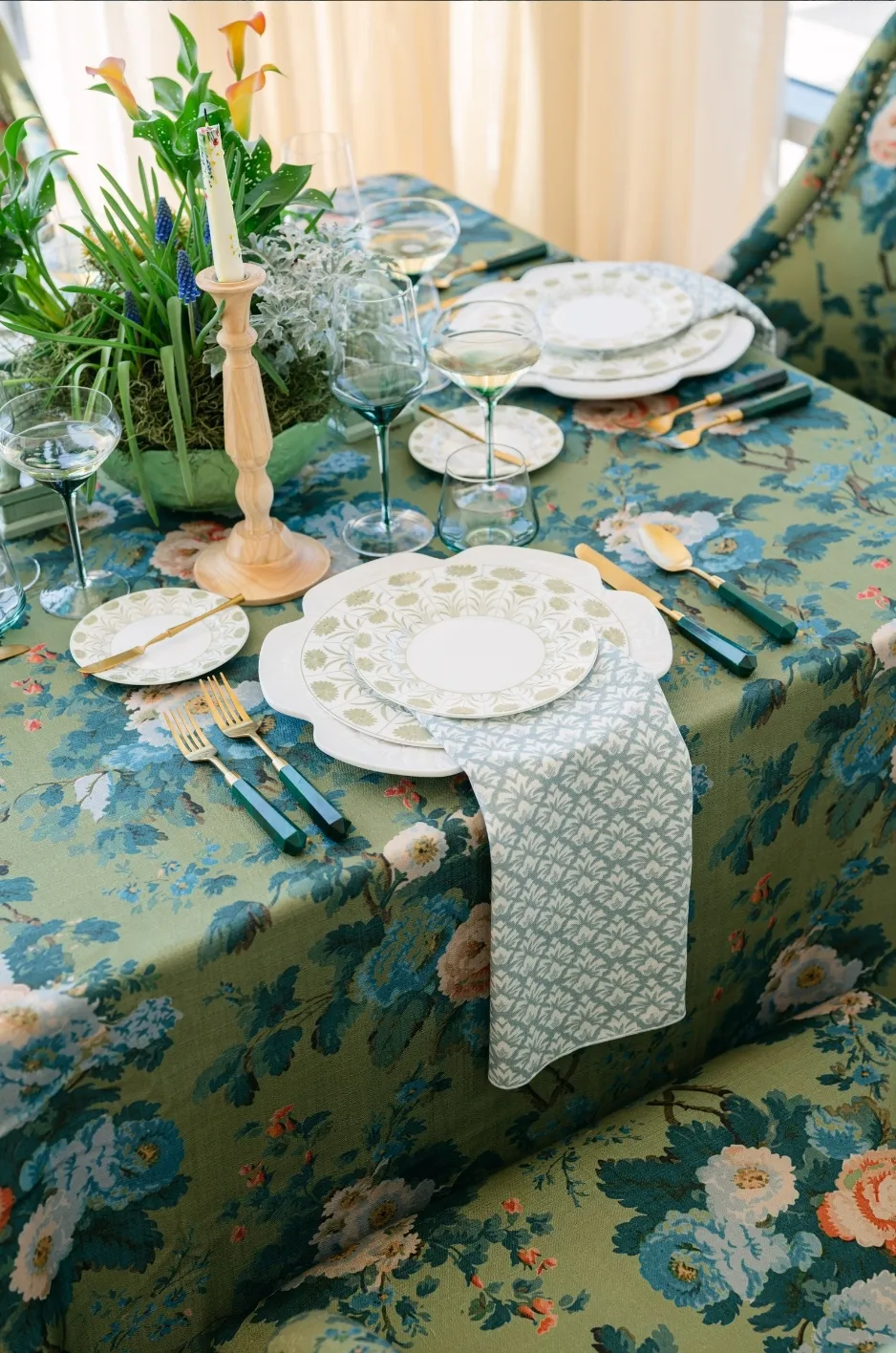
A useful linen design brief does more than record final decisions. It also shows where decisions have not yet been made.
Separating confirmed requirements from areas that still need guidance keeps the planning process focused and makes it easier to identify where recommendations will be most valuable.
Mark the Elements That Are Already Final
Clearly identify anything that has already been approved.
This may include the event palette, table sizes, tabletop selections, floral direction, or a particular textile that is already part of the concept.
Confirmed details provide boundaries for the remaining decisions and prevent established choices from being reconsidered unnecessarily.
Highlight Decisions That Still Need Guidance
Create a short list of questions that remain open.
A planner may know the primary color palette but still need help deciding whether to introduce pattern. The table linens may already be chosen while the napkin treatment remains unresolved. Another event may need recommendations for connecting several table types through related textiles.
Specific questions make the brief more useful than a general request for linen ideas. For help choosing linens for your event, request a quote.
Identify Any Non-Negotiable Design Requirements
Add any requirements that every linen recommendation needs to respect.
These could involve an established color, a specific table treatment, a venue consideration, or a design element that must remain prominent.
Keeping these requirements visible from the beginning makes it easier to evaluate options efficiently and maintain the original creative direction.
Organize the Brief So It Is Easy to Use
A linen design brief should simplify communication rather than create another complicated planning document.
Keep the information organized, current, and easy to scan. Someone reviewing it should quickly understand what the event is, which tables require linens, what has already been decided, and where recommendations are still needed.
Keep Specifications and Inspiration Together
Avoid separating practical specifications from the creative direction entirely.
Table measurements without design context are incomplete, while inspiration images without table information are difficult to translate into a workable linen plan. Keeping both in the same brief gives each selection the necessary context.
Curated Linen Collection can then be explored with a clearer understanding of both the visual direction and the practical table requirements.
Use Clear Labels for Different Table Types
Consistent labels make a complicated event easier to follow.
For example, distinguish guest dining tables from cocktail tables, bars, welcome tables, and other specialty surfaces. If several sizes are used within a category, label those separately as well.
Simple naming becomes particularly useful when quantities change or multiple linen treatments are being considered.
Update the Brief as Decisions Are Finalized
The first version of the brief does not need to contain every final answer.
Treat it as a working reference and update it when table counts, floor plans, colors, or décor selections change. Removing outdated information is just as important as adding new details.
A current brief gives everyone involved a more reliable picture of the event as it moves closer to execution.
What to Review Before Final Linen Selections
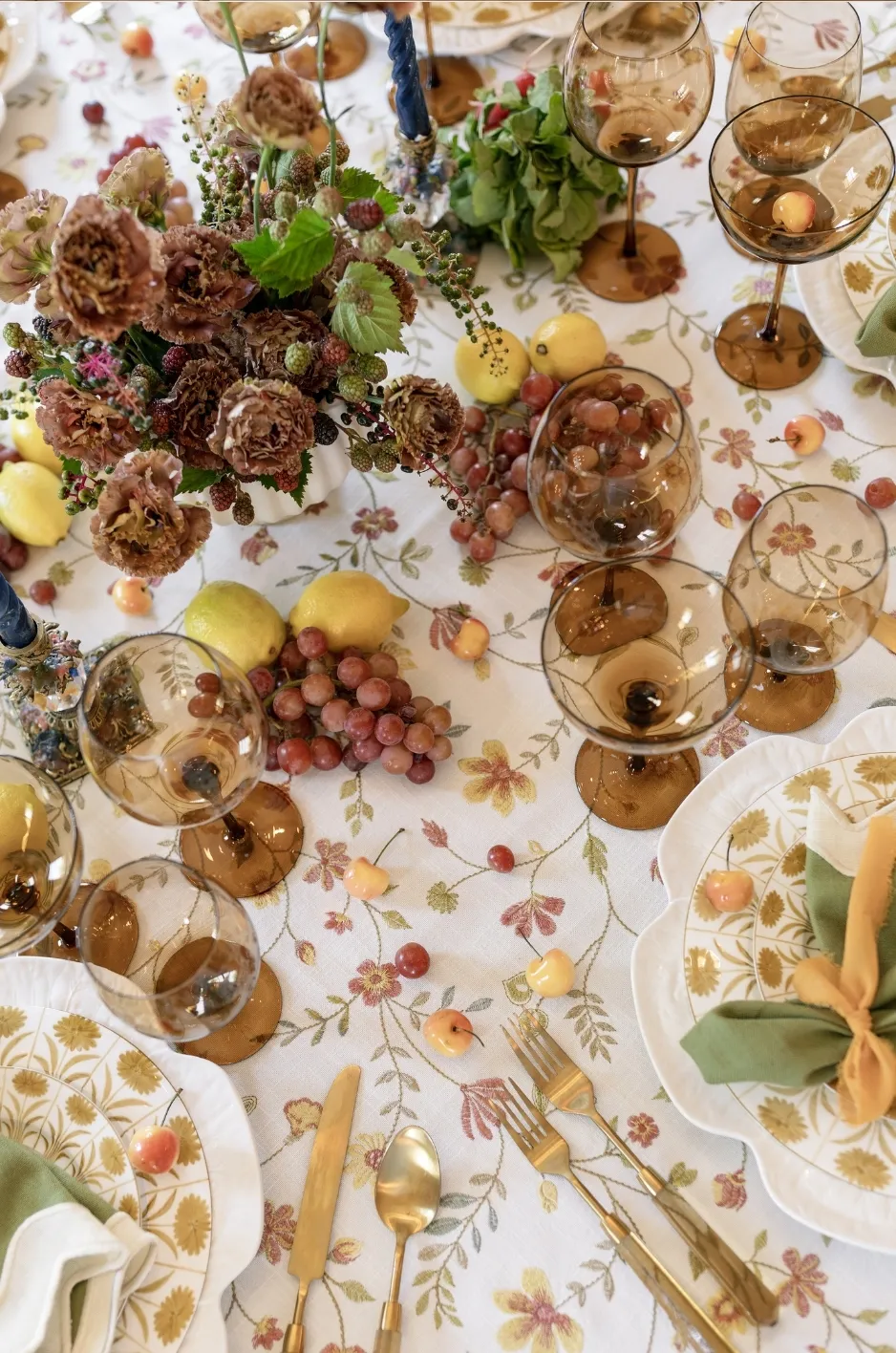
Before finalizing the event linen design, review the brief against the latest version of the event plan.
By this stage, many details that were previously preliminary may have been confirmed. A final review helps ensure that the linen selections still make sense for the actual tables, décor, and room rather than an earlier version of the concept.
Confirm Table Sizes and Quantities
Compare the brief with the current floor plan and rental list.
Make sure table dimensions, shapes, and quantities are accurate, particularly if the seating plan has changed. Check specialty surfaces as well as guest tables so no linen requirement is overlooked.
Compare Linens With the Full Tabletop Design
Review the selected textiles alongside the tabletop and floral elements whenever possible.
Consider the complete composition rather than evaluating the linen alone. Look at how the pattern, color, and texture interact with the pieces that will actually sit on top of it.
This final comparison can reveal when a table needs more contrast, less pattern, or a simpler supporting textile.
Look for Missing or Unresolved Surfaces
Review each table category in the brief and confirm that it has a clear linen direction.
If a cocktail area, registration table, bar, or other surface remains unresolved, decide whether it requires a distinct treatment or should relate directly to another part of the event.
Resolving these details before final selections helps the finished event feel intentional from one area to the next.
Frequently Asked Questions
What Should Be Included in a Linen Design Brief?
Include the event type, venue, table sizes and quantities, color palette, confirmed design elements, inspiration images, and any linen decisions that still need to be made.
When Should I Create the Linen Design Brief?
Start once the venue and general event format are known. Update the brief as the floor plan, tabletop, florals, and other design details are confirmed.
Does the Floor Plan Need to Be Final?
No. A preliminary floor plan is enough to begin. Mark any uncertain table counts or placements and update them once the layout is finalized.
How Many Inspiration Images Should I Include?
Keep the selection focused. A few images that clearly communicate the palette, texture, pattern, and overall direction are usually more useful than a large collection of unrelated inspiration.
Should Every Table Be Included?
Yes, if it requires a linen decision. Group similar tables together so dining tables, cocktail tables, bars, and specialty surfaces are easy to identify without making the brief unnecessarily complicated.
Build a Clearer Foundation for Linen Selection
A successful linen plan begins with clear information. By documenting the event setting, table requirements, visual direction, confirmed selections, and remaining questions, planners can evaluate textiles as part of a complete design rather than making isolated decisions.
A well-organized brief also creates room for more productive collaboration. Once the priorities are clear, planners can explore Curated Linen Collection’s table linens, napkins, runners, specialty overlays, and custom textile possibilities with a better understanding of what the event actually needs.
The result is a more focused selection process and a linen plan that supports the complete event from the first guest table to the final specialty surface. Our linen rental FAQs cover the questions planners ask most.