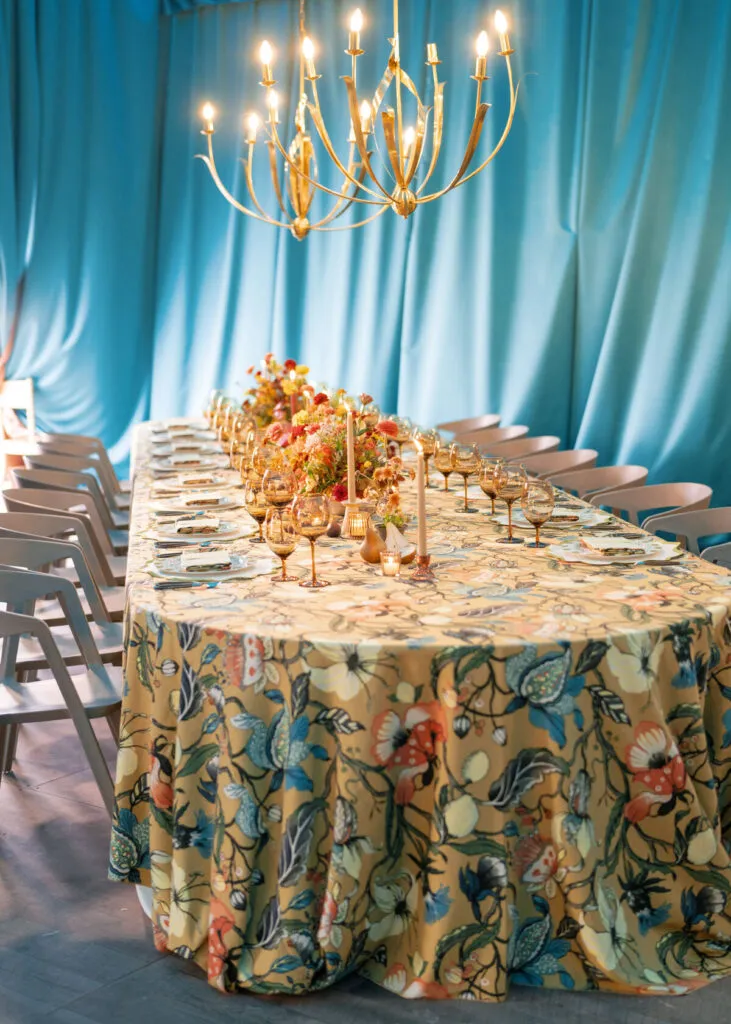
Linen overlays are best used in summer event design when you want to add dimension, highlight table décor, and create an elevated tablescape without fully covering the table. They are particularly effective for summer weddings, garden parties, rooftop receptions, and outdoor corporate events, where breathable fabrics and layered styling improve both comfort and visual presentation.
Unlike full tablecloths, overlays act as a decorative top layer that introduces texture, color contrast, and depth to a table setting. Event planners often use them to frame centerpieces, accent base linens, or showcase natural table surfaces such as wood farm tables while still maintaining a refined look.
Because linen is naturally breathable and visually textured, it works especially well in warm-weather environments. The fabric adds softness and movement to outdoor tables while complementing seasonal florals, glassware, and natural materials. In the sections below, we explore when linen overlays are the most effective choice for summer events and how they can enhance table design across different event settings.
What Are Linen Table Overlays?
Linen table overlays are decorative linens placed over a tablecloth or directly on the table surface to add depth and visual focus to the table setting. They usually cover the center portion of the table rather than the entire surface, allowing the base linen or table material to remain visible.
Overlays help organize the visual structure of a tablescape. The fabric frames centerpieces, anchors place settings, and introduces texture that complements surrounding décor elements. Linen overlays are commonly square or round and can be positioned straight or diagonally depending on the desired styling effect.
Overlay vs Tablecloth
Tablecloths provide full coverage and create a uniform table surface. Overlays serve as an additional decorative layer placed on top of the base linen or table. This layered design introduces contrast and dimension without hiding the entire table.
Designers often use tablecloths to establish a neutral base while overlays provide color, texture, or visual emphasis.
Why Event Designers Use Overlays
Event designers rely on overlays to create visual hierarchy within a tablescape. The overlay draws attention toward the center of the table while maintaining balance between the linens, décor, and place settings.
Overlays also provide flexibility in event design. Planners can incorporate seasonal colors, add texture to minimalist tables, or highlight distinctive table surfaces such as wood farm tables.
When to Use Linen Overlays for Summer Events
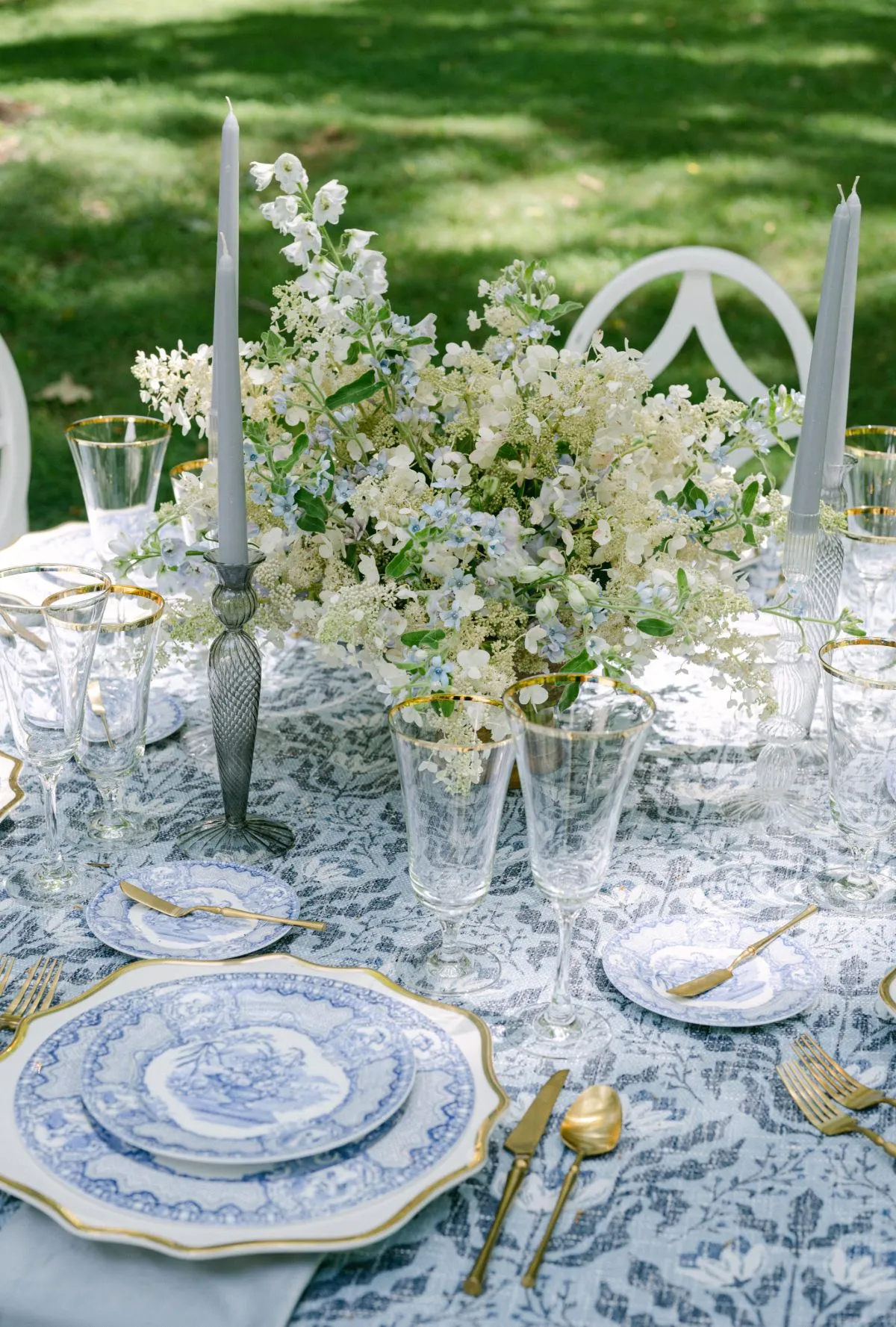
Linen overlays support summer event styling because they introduce texture and structure while maintaining a light and breathable appearance. They work particularly well in environments where table design plays a central role in the overall event atmosphere.
Summer Weddings
Summer weddings often feature carefully styled reception tables that include floral arrangements, charger plates, candles, and decorative place settings. Linen overlays help frame these elements and create a clear focal point within the table design.
Many wedding planners place linen overlays over neutral tablecloths or directly on wood farm tables. This arrangement allows the warmth of the table surface to remain visible while the overlay adds softness and texture to the setting.
Natural lighting in outdoor or tented weddings also enhances the appearance of linen, since the fabric’s matte texture photographs beautifully and supports detailed tabletop styling.
Garden Parties and Outdoor Receptions
Garden events benefit from linens that complement natural surroundings. Linen overlays echo the organic textures of greenery, flowers, and wood furniture while maintaining a polished table presentation.
Outdoor dining tables often incorporate layered elements such as runners, floral centerpieces, and candles. Linen overlays provide a stable foundation for these pieces while maintaining a relaxed yet refined atmosphere suited to garden gatherings.
Rooftop and Terrace Events
Rooftop venues often feature compact layouts that combine cocktail tables, lounge areas, and dining tables within the same space. Linen overlays introduce color and texture while preserving an open and uncluttered appearance.
Designers frequently use overlays to unify tables across the venue. A consistent overlay color or fabric helps connect different table types and creates visual cohesion within the event layout.
Outdoor Corporate Events
Outdoor corporate receptions, networking events, and company celebrations benefit from polished table presentation. Linen overlays contribute to a professional atmosphere while remaining practical for large-scale event setups.
Event teams can distribute overlays quickly across banquet tables or cocktail tables to create consistent styling throughout the venue. The result is a refined environment that supports the professional tone of the gathering.
When Linen Overlays Work Better Than Tablecloths
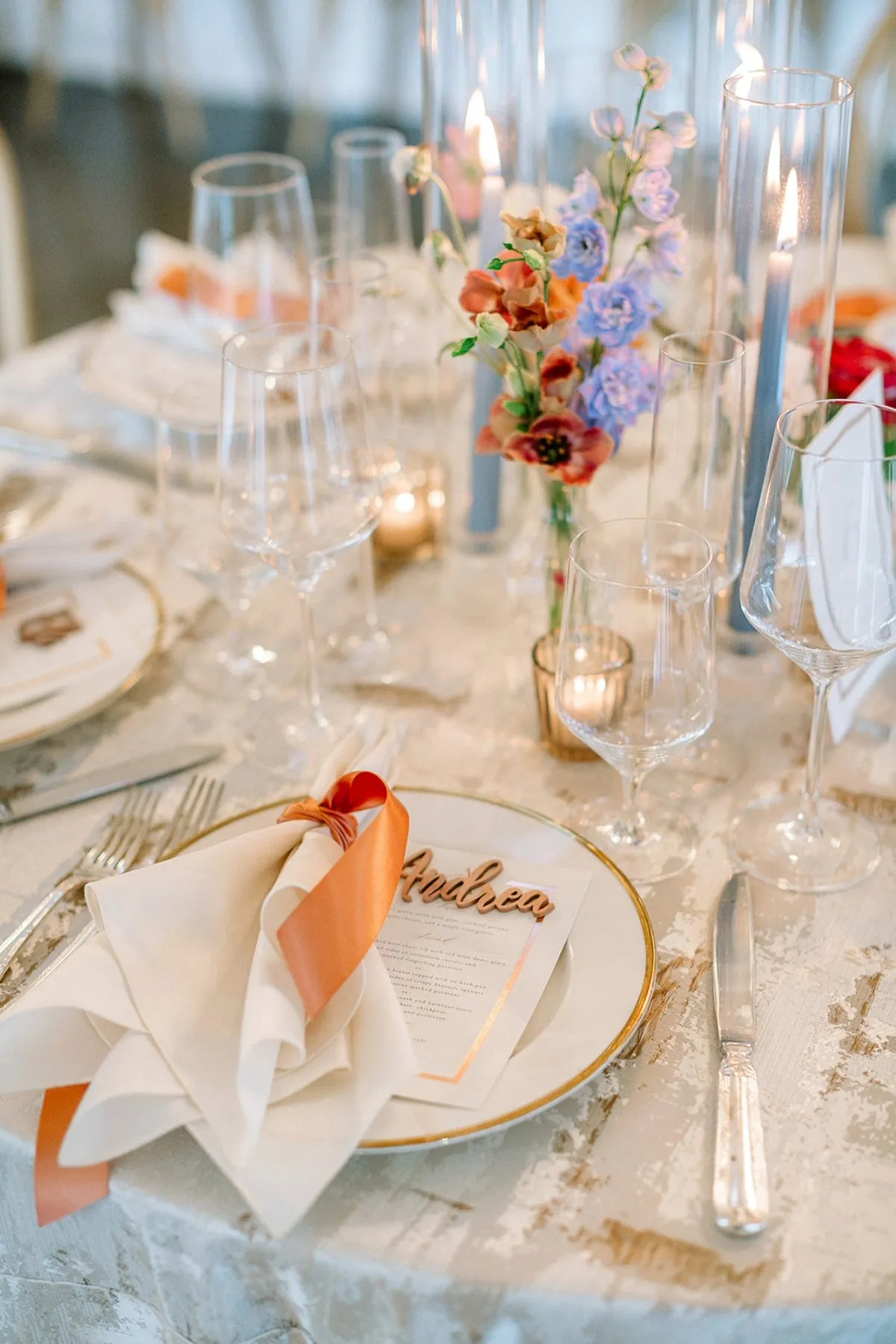
Full tablecloths create a traditional and uniform presentation. Linen overlays provide a layered design approach that highlights decorative elements and preserves visual depth within the table setting.
Showcasing Natural Tables
Many venues feature wood farm tables or specialty rental furniture that contribute to the overall aesthetic of the event. Linen overlays allow these surfaces to remain visible while adding a textile element that enhances the tablescape.
Layered Table Design
Designers frequently pair neutral base linens with contrasting overlays to introduce dimension and color variation. This layered approach adds visual interest while maintaining balance across the table.
Mixed Table Layouts
Events often include different table shapes such as round dining tables, rectangular banquet tables, and cocktail tables. Linen overlays provide a consistent styling element that unifies these varied table formats.
Highlighting Centerpieces
Overlays naturally draw attention toward the center of the table, making them effective for events that feature elaborate floral arrangements or decorative installations. The linen acts as a visual frame that supports the centerpiece without competing for attention.
Why Linen Overlays Work Well for Summer Tables
Linen remains a preferred textile in event design because of its breathable structure, natural texture, and balanced visual presence. These characteristics support table styling in warm-weather environments.
Breathable Fabric for Warm Weather
Linen fibers allow air to circulate through the weave, which helps maintain a comfortable surface during outdoor events. Guests frequently rest their hands or arms on the table throughout the event, so a breathable fabric contributes to overall comfort.
Natural Texture in Table Design
The subtle texture of linen introduces visual variation that complements seasonal décor. Floral arrangements, glassware, ceramics, and metal accents all stand out clearly against linen’s soft matte surface.
Lightweight Layering for Outdoor Styling
Linen overlays allow designers to build layered tablescapes without adding visual heaviness. This quality works well for garden weddings, terrace receptions, and outdoor dining events where balanced styling enhances the overall atmosphere.
Styling Linen Overlays for Summer Table Design
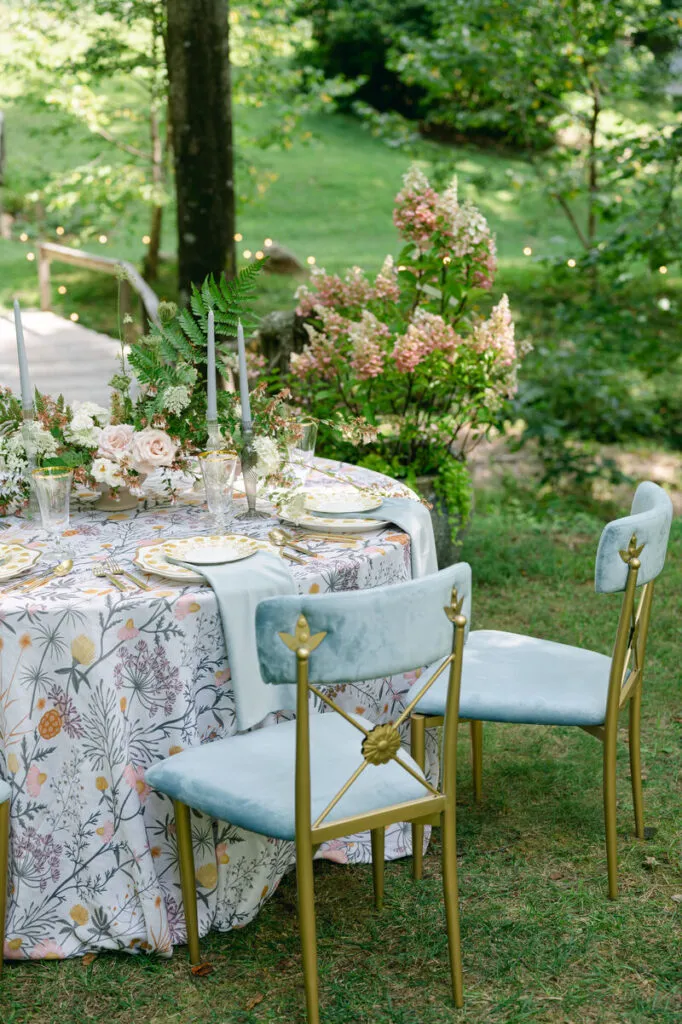
Effective table styling combines layering, color selection, and complementary materials. Linen overlays serve as a foundation that supports each of these design elements.
Layering with Runners and Napery
Layering creates structure within the table setting. Designers often begin with a base linen or table surface, add an overlay for visual framing, and place a runner across the center to anchor decorative elements.
This approach organizes the tabletop and ensures that centerpieces, candles, and place settings occupy clear visual positions.
Choosing Summer Color Palettes
Color plays an important role in establishing the mood of a summer event. Linen overlays provide an opportunity to introduce seasonal tones while maintaining balance within the table design.
Soft pastels such as blush, pale blue, and sage green suit garden weddings and outdoor receptions. Neutral tones including ivory, sand, and stone complement natural table surfaces and support floral arrangements. Brighter shades such as coral or citrus tones add energy to rooftop celebrations and summer parties.
Mixing Materials and Textures
A visually engaging table incorporates multiple materials. Linen overlays pair well with glassware, ceramic plates, wooden chargers, and metallic accents. These combinations create contrast while maintaining a cohesive design.
The interaction between linen’s natural texture and polished materials such as glass and metal adds dimension to the tablescape and enhances the overall presentation.
Common Mistakes When Using Linen Overlays
Careful planning ensures that linen overlays enhance the table design rather than disrupt it.
Incorrect Overlay Size
Overlay dimensions should match the scale of the table. Overlays that are too small appear disconnected from the rest of the table setting, while oversized overlays can obscure decorative elements.
Overcrowded Table Styling
Too many layers or decorative components can overwhelm the table. Designers often limit the number of textile layers so that each piece contributes clearly to the overall design.
Unbalanced Color Palettes
Overlays should support the event’s color palette rather than compete with it. A structured palette built around dominant, secondary, and neutral tones helps maintain visual consistency across all tables.
Frequently Asked Questions
What size linen overlay should be used for event tables?
Overlay size depends on the dimensions of the table and the desired visual effect. Square overlays between 72 and 90 inches are commonly used for round banquet tables because they drape evenly and frame the centerpiece.
Can overlays be used without a tablecloth?
Many designers place linen overlays directly on wood farm tables or specialty tables. This approach highlights the natural table surface while adding texture and color through the overlay.
Are linen overlays suitable for outdoor weddings?
Linen performs well in outdoor settings because the natural fibers allow air to circulate through the weave. The fabric complements seasonal florals and supports elegant table styling in open-air environments.
How many overlays are needed for an event?
The number of overlays typically matches the number of tables in the event layout. Planners often include additional pieces to accommodate last-minute design adjustments during setup.
Do linen overlays work on cocktail tables?
Cocktail tables benefit from overlays because the smaller surface area allows the fabric to introduce color and texture while maintaining a light and elegant appearance.
Conclusion
Linen overlays contribute depth, texture, and structure to summer event tables. Weddings, garden receptions, rooftop gatherings, and outdoor corporate events all benefit from the layered styling that overlays provide.
By selecting appropriate colors, balancing table proportions, and combining linens with complementary materials, event planners can create cohesive tablescapes that enhance the overall event atmosphere. Curated Linen Collection offers premium linen overlays designed to elevate summer events and support beautifully styled tables across a wide range of celebrations.